




-
admin
- November 5, 2025
Pap Smear & Mammogram in Kolkata | Early Cancer Screening for Women
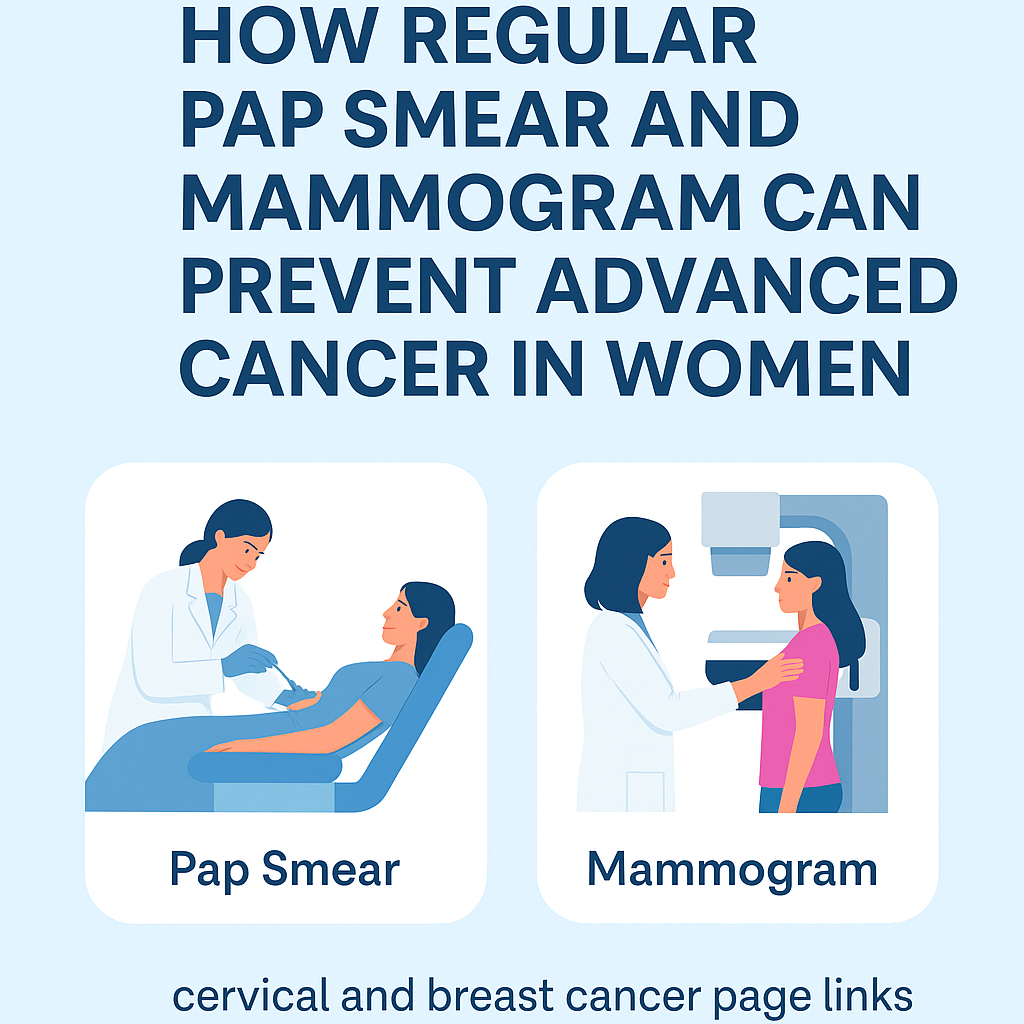
Cancer remains one of the most significant health threats to women, but the power to prevent it lies in early detection. Two simple yet powerful screening tools — the Pap smear and the mammogram — can help detect cervical and breast cancers at their earliest, most treatable stages.
In Kolkata, where cases of breast and cervical cancer are steadily rising, awareness about routine screening can save thousands of lives every year. Dr. Pallabika Mandal, one of the leading surgical oncologists in South Kolkata, emphasizes that “screening is not about finding disease — it’s about staying healthy by preventing it before it starts.”
Understanding Cancer Screening in Women
Cancer screening refers to routine tests performed before symptoms appear. These tests detect abnormal or precancerous cells, allowing doctors to treat them before they develop into advanced cancer.
The Pap smear and mammogram are two vital screenings recommended for women over certain age groups or with specific risk factors. They’re quick, minimally invasive, and have been proven to reduce cancer deaths globally.
What Is a Pap Smear Test and Why It Matters
The Pap smear test (also known as a Pap test) is a simple procedure that checks for abnormal cells on the cervix — the lower part of the uterus that connects to the vagina. These cells can develop into cervical cancer if left untreated.
Why Pap Smears Are Important:
- Detects early, treatable changes in cervical cells
- Helps identify HPV-related abnormalities
- Reduces the risk of invasive cervical cancer by over 70%
- Can save lives with timely intervention
In India, cervical cancer is the second most common cancer among women, yet it’s also one of the most preventable through regular Pap tests and HPV vaccination.
How Often Should Women Get a Pap Smear?
According to the World Health Organization and leading oncologists like Dr. Pallabika Mandal, the guidelines are:
- Age 21–29: Pap smear every 3 years
- Age 30–65: Pap smear + HPV test every 5 years (or Pap alone every 3 years)
- After 65: Screening may be stopped if the last few results are normal
Women with risk factors like early sexual activity, multiple partners, smoking, or a family history of cervical cancer should start earlier or test more frequently.
The Role of Mammogram in Early Breast Cancer Detection
A mammogram is a specialized X-ray of the breast that detects lumps or changes in breast tissue long before they can be felt. It’s the most reliable tool for early detection of breast cancer.
Why Mammograms Are Essential:
- Detect tumors before they become palpable
- Identify microcalcifications — early indicators of breast changes
- Improve survival rates by enabling early treatment
- Reduce the need for aggressive surgeries or chemotherapy
In Kolkata, where many women still delay screening due to stigma or fear, a single mammogram can mean the difference between a curable Stage 1 cancer and a life-threatening Stage 3 diagnosis.
When Should Women Start Mammogram Screening?
The general guidelines recommend:
- Ages 40–49: Every 1–2 years
- Ages 50–69: Every year
- High-risk women (family history, BRCA mutation): Start at 30 or earlier
Dr. Mandal advises regular breast self-examinations from the age of 20 and professional screening from 40 onwards.
👉 Learn more about expert breast cancer care from the
Best Breast Cancer Doctor in South Kolkata | Peerless Hospital.
How These Screenings Work Together
The Pap smear and mammogram complement each other in protecting women’s health. While the Pap test focuses on the reproductive system, the mammogram targets the breast tissue. Together, they create a strong defense line against the two most common cancers in women.
Women should include both in their annual or biennial health checkups. Early detection through these screenings allows for:
- Less invasive treatment
- Better survival rates
- Reduced emotional and financial burden
Common Myths About Pap Smear and Mammogram
Myth 1: “I have no symptoms, so I don’t need screening.”
Fact: Most cancers show no signs until advanced. Screening detects issues early, long before symptoms appear.
Myth 2: “Pap smears and mammograms are painful.”
Fact: Both procedures are quick and cause only mild discomfort, if any. The benefit of early detection far outweighs temporary unease.
Myth 3: “Cervical and breast cancer only affect older women.”
Fact: Younger women can also develop these cancers, especially due to lifestyle, hormonal factors, or HPV infection.
Myth 4: “If I’m vaccinated for HPV, I don’t need Pap smears.”
Fact: The HPV vaccine prevents most—but not all—strains. Regular screening remains essential.
The Situation in Kolkata
In Kolkata, increasing urban stress, dietary changes, and lifestyle habits have led to rising cancer cases among women. Despite the availability of affordable diagnostic facilities, many women skip annual checkups due to fear or lack of awareness.
Peerless Hospital and Pathkind Labs, where Dr. Pallabika Mandal practices, offer comprehensive screening packages for breast, cervical, and uterine cancers—making preventive care accessible to all.
For gynecologic cancer prevention and early diagnosis, visit the
Best Uterine Cancer Specialist in South Kolkata.
What to Expect During the Tests
Pap Smear Procedure:
- Conducted in 5–10 minutes by a gynecologist
- A small sample of cervical cells is collected using a soft brush
- The sample is sent for lab analysis
- Results identify normal, abnormal, or pre-cancerous cells
Mammogram Procedure:
- Takes about 15–20 minutes
- The breast is gently compressed between two plates for clear imaging
- The images are examined for lumps, density changes, or calcifications
Both tests are safe, quick, and lifesaving.
The Power of Prevention: Real Impact
According to research:
- Routine Pap tests have reduced cervical cancer mortality by 70% in screened populations.
- Regular mammograms can reduce breast cancer deaths by up to 40% in women aged 40–74.
In Dr. Mandal’s experience, women who follow screening guidelines often detect cancer in Stage 0 or Stage 1—where treatment is simpler, cheaper, and far more successful.
Integrating Screening Into Your Health Routine
Preventive care doesn’t have to be complicated. Simple steps like scheduling your annual checkup, maintaining a record of previous results, and discussing family history with your doctor can keep you ahead of potential risks.
Checklist for Every Woman Over 30:
✅ Pap smear every 3 years
✅ Mammogram every 1–2 years
✅ Breast self-exam monthly
✅ Healthy lifestyle — balanced diet, exercise, no smoking
✅ Follow-up with your oncologist if abnormalities are found
Dr. Pallabika Mandal’s Message to Women
“Most cancers can be prevented or cured if detected early. The fear of screening should never outweigh the value of your life.”
Her patient-first philosophy combines advanced surgical expertise with preventive awareness, ensuring holistic care for women across South Kolkata and beyond.
Whether it’s a Pap test or a mammogram, one small step toward screening can make a life-changing difference.
Conclusion: Screening Is the Strongest Shield Against Cancer
Cervical and breast cancer are not inevitable—they’re preventable and curable when caught early. By making regular Pap smear and mammogram tests a part of your healthcare routine, you protect not just yourself but also set an example for other women around you.
For expert guidance on screening, diagnosis, and treatment, consult Dr. Pallabika Mandal, one of the best surgical oncologists in South Kolkata, specializing in both gynecologic and breast cancers.
📍 Clinic Locations:
- Peerless Hospital, Kolkata – Panchasayar
- Pathkind Labs, Salt Lake
📞 Contact: +91 9957560181 | +91 8787432741
🌐 www.drpallabikamandal.com